Face recognition targeted Sleeping face Photos Future where locks are unlocked with 3D printing
The feature of facial recognition appeared like a savior for the worry of "being peeked at on your smartphone"
Many people benefit from the convenience of unlocking the screen without using their hands.
However, on the other hand, there have been increasing cases where the mechanism of facial recognition is exploited as an unexpected "intrusion method."
Urban legends such as "unlocked with a sleeping face" or "bypassed with a photo" are now approaching reality.
This time, we will consider the risks lurking behind facial recognition technology and ways to avoid them.
Unlocked with a sleeping face? The unlikely becomes reality
You may have heard the story "My smartphone was unlocked while I was sleeping" at least once.
This is an event that can actually happen.
Especially on smartphones using 2D-type facial recognition (a method that judges with a face image like a photo), there are cases where the lock is unlocked even with eyes closed.
There is a simpler intrusion route than you imagine where a partner or housemate secretly holds the smartphone to your sleeping face to unlock it.
Moreover, the person themselves does not notice anything
Google explicitly restricts 2D facial recognition for payments and other uses due to insufficient security.
Bypassing with photos or videos is also becoming a reality
What is more problematic is cases where unlocking is possible even without the "real face."
Profile pictures on SNS, YouTube videos, Zoom screenshots. If your face image is floating on the internet, it is not surprising that someone might misuse it.
In one experiment, it was reported that simply displaying a high-quality face photo on a smartphone could bypass facial recognition.
It is even surprising that images from several years ago can sometimes pass.
You might think "I just won't put my face on the internet," but there are many situations you cannot control, such as group photos, tagging, and leaks of surveillance camera footage.
Reproducing a face with 3D printing? Not just a movie story
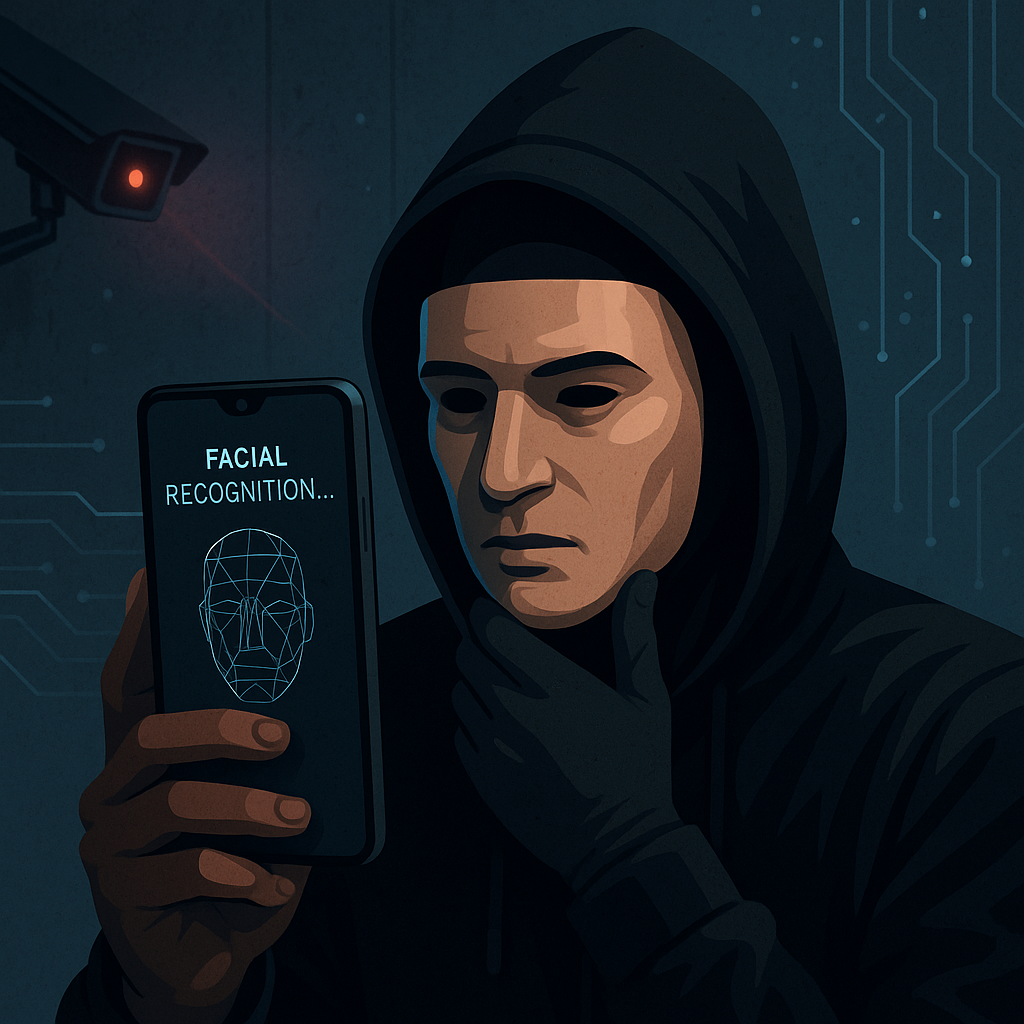
Furthermore, there have been cases of unlocking with fake faces made by 3D printers.
On certain Android devices, it has been reported that using masks that reproduce the nose bridge and facial three-dimensionality can unlock the device. If misused, one can 3D scan the target's face and create a disguise mask to intrude into the smartphone.
At present, this method requires cost and effort, but it cannot be overlooked that the attack cost is steadily decreasing with technological advancement.
The correct answer is not to rely on facial recognition
So, what should you do?
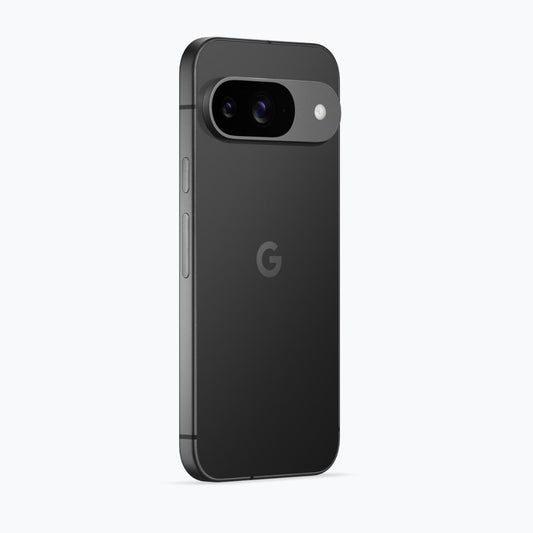
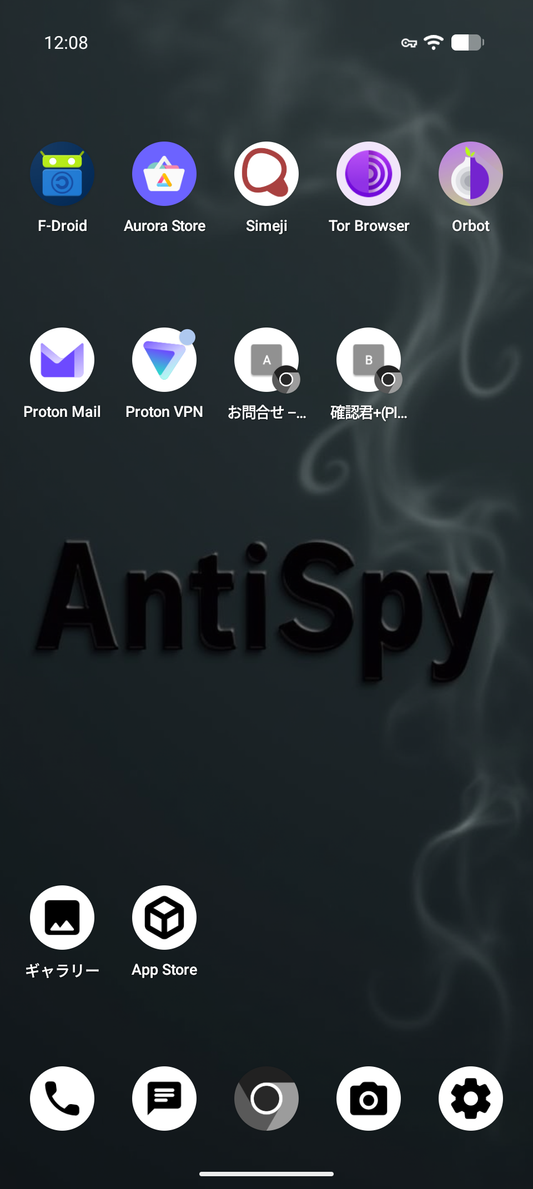
AntiSpyPhone disables facial recognition and uses PIN codes or pattern locks in combination.
Especially against 2D-type authentication like "sleeping face bypass" or "photo bypass," the option of "not using it" is also an important defense measure.
Also, AntiSpyPhone has an emergency unlock feature called "Duress Pass."
This allows you to immediately initialize the smartphone and forcibly erase data by entering a preset emergency PIN if someone tries to forcibly unlock it with facial recognition.
Summary
Facial recognition is certainly a convenient technology.
However, completely relying on it may expose your privacy to danger.
Your face is an "unchangeable password"
In an emergency, what protects you may not be technology but your own attitude about how much you doubt.
Are you letting smartphone security be swayed only by convenience?